Free US Shipping over $99 | 35K+ Happy Customers


The Cannabis plant is a rich repository of compounds, with more than 100 discovered cannabinoids. Among these, THC (tetrahydrocannabinol), CBD (cannabidiol), and CBN (cannabinol) are notable because of their preeminence and likely uses. Although all of them act on the body’s endocannabinoid system (ECS), their effects, sources, and uses are quite different.
Wanted to know more about these cannabinoids? If yes, then you are exactly at the right place. At Colorado Breeders Depot we have compile a expert’s insight in this blog. Read it thoroughly and get to know about THC vs. CBN vs. CBD.
ECS is a human cell-signaling system responsible for many bodily functions, such as sleep, mood, hunger, and the immune response. It has receptors (CB1 and CB2), endocannabinoids, and enzymes.
Cannabinoids such as THC, CBD, and CBN interact with these receptors, causing different physiological effects.
Not every cannabinoid is same, each one acts differently. Let’s figure out how CBD, CBN & THC differs from one another.
When it comes to psychoactivity, CBD, CBN & THC differ. Here is what difference each of them possesses.
THC: The main psychoactive constituent in cannabis, THC binds to CB1 receptors in the brain with high affinity and induces euphoria, altered perception, and mood change.
CBD: Not psychoactive, CBD does not create a “high.” It acts indirectly on the ECS, modulating receptor activity and increasing endocannabinoids.
CBN: Weakly psychoactive, CBN is an oxidation product of THC. Its psychoactive effects are much weaker than THC and are usually experienced only at high doses.
The three cannabinoids also differ in their sleep support offering. Let’s figure out how.
CBN: Commonly linked to inducing sleep and relaxation. Some research suggests it may have sedative-like effects, particularly when blended with other cannabinoids and terpenes.
CBD: Famous for calming, CBD can potentially support sleep by alleviating anxiety and inducing relaxation.
THC: THC has been shown to assist sleep at low doses by decreasing the amount of time required to fall asleep. Higher doses, on the other hand, can instead interfere with the sleep process.


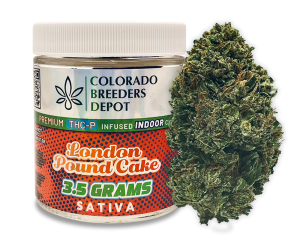
The use of cannabis for stress and anxiety management is known to many. Here is how these three help.
CBD: Extensively researched for its possible anxiolytic and stress-reducing effects. CBD can potentially lead to feelings of calm without inducing the psychoactive effects of THC.
THC: Although THC has the capability to induce relaxation and euphoria, it could lead to feelings of anxiety or paranoia in a few people, particularly at larger doses.
CBN: Few studies indicate CBN can exhibit calming properties, but further studies are required to establish its efficacy in stress and anxiety relief.
Cannabinoids have shown great promise in naturally easing discomfort and reducing inflammation—let’s see how each performs.
CBD: With its anti-inflammatory nature, CBD can potentially ease pain by acting upon the ECS and other receptor systems.
THC: Pain-relieving, THC has the ability to decrease pain perception by stimulating CB1 receptors within the brain.
CBN: There is emerging evidence that CBN has analgesic effects and can assist with pain management.
From boosting appetite to regulating eating habits, these cannabinoids each play a unique role.
THC: Known for stimulating appetite, better known as “the munchies.” Such an effect can be clinically beneficial for those who experience appetite suppression caused by illnesses.
CBD: Does not generally increase appetite and, in some instances, even suppresses it.
CBN: There is limited evidence that CBN stimulates appetite, but more research is needed to establish such an effect.
Understanding the legal landscape is key—here’s how CBD, THC, and CBN differ when it comes to regulations.
CBD: Extracted from hemp (with less than 0.3% THC), CBD is legal in most places. But the laws differ by country and state.
THC: The legality of THC is different around the world and within nations, usually based on its concentration and origin.
CBN: Being a minor cannabinoid, CBN’s legality is less established but typically the same as THC and CBD, depending on its origin.

Knowing the unique properties of THC, CBD, and CBN gives people the power to make informed choices regarding the use of cannabis. Whether wanting relief from a particular condition or looking into wellness alternatives, understanding how each cannabinoid affects the body is essential. As studies continue to progress, so will our understanding of these substances, opening the door to more precise and effective uses. For more visit Colorado Breeders Depot!
